


How to Protect Matte Black Car Accessories From Fading
Table of Contents
- Why Matte Black Accessories Fade Faster Than You Think
- Matte Paint vs. Matte Black Plastic: Know What You're Protecting
- Step 1: Gather the Right Supplies
- Step 2: Wash Gently and Avoid Abrasives
- Step 3: Apply a Protectant That Won't Change the Sheen
- Step 4: Restore Faded Black Trim Without Making It Shiny
- Pro-Tips for Keeping Matte Black Looking Fresh in the Garage
- How to Protect Matte Black Car Accessories From Fading on a DIY Budget
- Next Step: Build Your Matte Black Care Routine
- Frequently Asked Questions
How to Protect Matte Black Car Accessories From Fading
Last Updated: November 14, 2026
Why Matte Black Accessories Fade Faster Than You Think
Matte black is the look that makes a Challenger or Charger look mean in a parking lot. The trouble is that matte black trim has no gloss to hide dust, sun damage or sloppy washing. A set of beautiful matte black pieces can turn chalky and grey after a summer of neglect.
Here's the good news. Protecting matte black accessories from fading is mostly about routine, not expensive magic. The sun, road grime and the wrong cleaner do most of the damage, and you can control all three.
Think of it like a good pair of work boots. You wouldn't scrub them with a wire brush, and you wouldn't leave them out in the rain all winter. Your matte trim deserves the same respect.
Matte Paint vs. Matte Black Plastic: Know What You're Protecting
Not every "matte black" part on your ride is the same material, and treating them all the same is like using a impact wrench on lug nuts, it works until it doesn't. Matte paint is a sprayed finish over metal or body panels. Matte black plastic is a molded, often textured part like a grille surround, mirror cap, or spoiler accent. But that's just the start. Your accessories can be plastic, vinyl, rubber, metal, or a coated composite, and each one ages differently under heat and UV.
Here's the breakdown so you can stop guessing and start protecting.
- Matte paint: Needs gentle washing and a protectant made for low-gloss finishes. It's a thin layer over metal, so abrasives cut through it fast. Think of it like a good cast-iron skillet, you season it gently, you don't scour it.
- Matte black plastic: Usually textured and porous. It can soak up dressings and turn shiny or streaky if you use the wrong product. Plastic also expands and contracts with heat, which can open up microscopic pores that trap dirt and oxidation.
- Matte vinyl: Found on wraps and decals. Vinyl is softer than plastic and more prone to staining from oils and harsh cleaners. It also hates high heat, so parking next to a reflective window that focuses sun can cook it.
- Matte rubber: Weatherstripping, mud flaps, and trim seals. Rubber dries out and cracks with UV exposure. It needs a rubber-safe protectant, not a plastic dressing, or it can swell and soften.
- Matte metal: Powder-coated or anodized aluminum and steel. The matte finish is a coating, and if that coating chips, the bare metal underneath can corrode. Metal also conducts heat, so it can get hot enough to bake on contaminants.
- Coated accessories: Ceramic-coated or painted parts. The coating is your first line of defense, but it still needs pH-neutral care to avoid degrading the layer.
Why does this matter? Because the wrong product on the wrong material is how you get streaks, gloss patches, or a chalky mess that won't buff out. A plastic trim restorer on vinyl can leave a greasy film. A metal polish on matte plastic will scratch it. And a rubber dressing on painted metal can stain it.
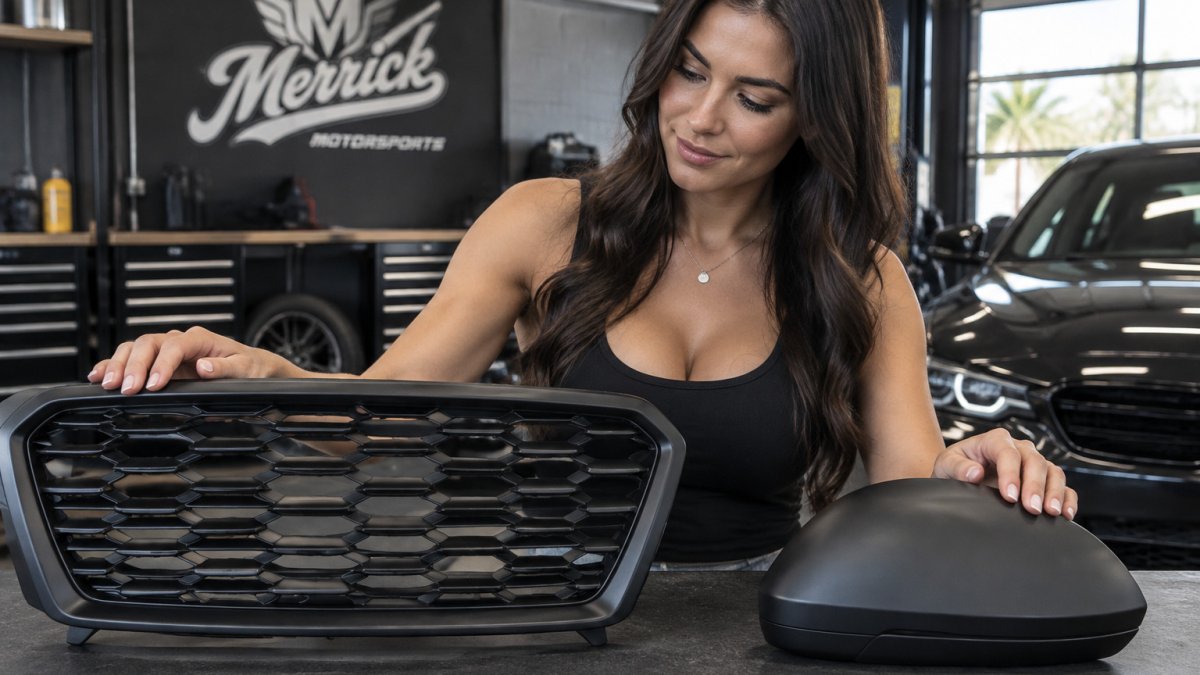
Read the label on any cleaner before you use it. If it says "not for matte finishes" or "gloss only," skip it. And if you're not sure what your accessory is made of, check the product page or give the manufacturer a call, that's cheaper than replacing a part because you guessed wrong. For parts built to handle this kind of care, check out our matte-safe protection options for black trim and accessories.
Step 1: Gather the Right Supplies
Before you touch the car, get your supplies together. A good kit keeps the job quick and keeps you from grabbing the wrong bottle.
- Two buckets with grit guards (one for soapy water, one for rinsing)
- A pH-neutral car wash soap that is safe for matte finishes
- Soft microfiber wash mitts and a separate mitt for wheels
- Clean, plush microfiber drying towels
- A matte-safe cleaner for stubborn grime on plastic
- A protectant made for matte or low-gloss surfaces
- Soft applicator pads and a few clean microfiber towels for buffing off excess
Keep your towels clean. A towel that picked up grit from the wheels will scratch the trim. Wash towels separately from your regular laundry and skip fabric softener, which can leave a residue.
Step 2: Wash Gently and Avoid Abrasives
Washing is where most matte finishes get ruined. Hand washing with light pressure is the safest route. Dragging a dirty sponge across a matte panel can leave shiny spots that never fully go away.
Start by rinsing the car to knock off loose dirt. Then wash from the top down with a soft mitt and plenty of soapy water. Dunk the mitt in the rinse bucket after each panel. This keeps grit out of your soap.
Skip these products on anything matte:
- Rubbing compounds and polishes
- Glazes and heavy waxes
- Harsh degreasers and all-purpose cleaners
- Stiff brushes and abrasive pads
Dry the car with a clean microfiber towel by patting or gently dragging it across the surface. Don't scrub. Water spots are easier to prevent than to remove.
Step 3: Apply a Protectant That Won't Change the Sheen
This is the step that separates a long-lasting matte finish from a faded one. The right protectant shields the surface from UV rays and dirt without adding gloss.
Always test first. Put a small amount on a hidden spot, like the inside edge of a trim piece, and let it cure. Check it in both sun and shade. If the sheen changes, don't use it on the visible parts.
If you're looking for a product built for this job, check out our matte-safe protection options for black trim and accessories.
Here's how to apply it:
- Make sure the surface is clean and fully dry.
- Put a few drops on a soft applicator pad, not directly on the car.
- Wipe on a thin, even layer in straight lines.
- Let it cure as directed on the label.
- Buff off any excess with a clean microfiber towel.
Thin coats beat thick ones every time. Too much product leaves a hazy film that attracts dust and can look blotchy in the sun.
Watch out: Heavy layers of glossy dressing on matte trim can cause uneven shine that is hard to fix. Stick with thin coats.
Step 4: Restore Faded Black Trim Without Making It Shiny
Sometimes the damage is already done. Faded black plastic looks grey, chalky or patchy. The goal is to bring back the color without turning the trim glossy.
Start by washing the part and letting it dry. Then use a cleaner made for plastic trim to remove oxidation and old residue. If the trim is still faded, a trim restorer can help. Many black trim restorers are sold as shine products, so read the label closely. Look for words like "matte," "low-gloss," or "natural finish."
Work in a shaded area and keep the surface out of direct sun. Apply a thin coat with a foam pad, let it sit, then wipe away the excess.
Be honest with yourself about results. A restorer can improve faded plastic, but it won't make badly damaged trim look brand-new. If the trim has cracks, deep chalking, or peeling, replacement is often the better option.
Pro-Tips for Keeping Matte Black Looking Fresh in the Garage
Your garage is the best place to protect your matte black pieces, and a few habits go a long way. But the real secret is a schedule, because "reapply when it looks faded" is like changing your oil when the engine seizes. You want a routine that keeps you ahead of the sun.
Here's a practical maintenance calendar based on how your car lives. Adjust it to your climate and washing frequency, but this gives you a starting point.
- Daily driver, parked outside in strong sun: Reapply matte-safe protectant every 4 to 6 weeks. Wash every 1 to 2 weeks. Check plastic trim monthly for chalkiness.
- Daily driver, parked in a garage: Reapply every 8 to 12 weeks. Wash every 2 to 3 weeks. UV exposure is lower, so you can stretch the interval.
- Weekend toy, garage kept: Reapply every 3 to 4 months, or before and after the driving season. Wash after each outing if it saw dust or bugs.
- Coastal or humid climate: Reapply regularly, because salt and moisture accelerate breakdown. Rinse the undercarriage and trim more often.
- Desert or high-UV climate: Reapply every 3 to 4 weeks. The sun is relentless, and matte finishes show oxidation fast.
A common pattern is that people wait until the trim looks grey, then try to restore it. That's like waiting until your tires are bald to check the pressure. Instead, mark your calendar or set a phone reminder for the next reapplication. If you wash your car, that's a natural time to inspect the trim and see if the protectant is still beading or if it's time for another coat.
Here are the garage habits that make the schedule work:
- Park in the shade when you can. Shade cuts down on UV exposure more than any product will. If your garage is full of project parts, at least aim for a carport or a tree.
- Use a car cover when parked for long stretches. A breathable cover like the Ultraguard Plus car cover for Challengers keeps dust and sunlight off your paint and trim. Note that these covers are water resistant, not waterproof, so skip them in heavy rain.
- Keep your matte parts clean. Dirt left on matte surfaces acts like sandpaper every time the car is moved. Rinse before you wipe.
- Store spare parts out of direct sunlight. Sunlight will fade a box of unused parts just as it fades a car. Keep them in a sealed bin in a dark corner.
- Check your protectant schedule. Reapply on a regular cycle, and more often if the car lives outside. Write it on the wall if you have to, your future self will thank you.
Think of your garage like a workshop with a good lighting setup. Good light shows you problems early, so you can handle them before they get worse. Speaking of lighting, TRX hood lights for Ram and Charger can make your garage and your matte trim look sharp when you're doing detail work at night. And if you want to keep your routine simple, our matte-safe protection options are built for this exact job.
How to Protect Matte Black Car Accessories From Fading on a DIY Budget
You don't need a big budget to keep matte black looking good. Most of the protection comes from habits, not expensive gear.
Start with the basics: a good wash mitt, a bucket with a grit guard, a few microfiber towels, and one matte-safe protectant. Buy the best protectant you can afford, then make it last by using it sparingly.
Here are a few budget-friendly moves:
- Wash in the shade, not in direct sun.
- Keep one set of towels just for trim work.
- Use a cover instead of paying for repeated repairs.
- Fix small chalky spots early, before they spread.
Cheap products can cost you more in the long run if they leave streaks or change the sheen. A small upgrade in the right product often saves money over time.
Next Step: Build Your Matte Black Care Routine
Matte black looks great on a Challenger, Charger, RAM, or whatever you drive. Keeping it that way comes down to gentle washing, careful product choices, and regular protection. Set a simple routine: wash gently, dry carefully, apply a thin matte-safe protectant, and park in the shade when you can.
At Merrick Motorsports, we build our parts for enthusiasts who want their rides to look as good as they run. Start your routine today, and your black trim will stay sharp for years to come.
Frequently Asked Questions
Is it hard to maintain a matte black car?
Not really, but it does ask for a different routine than glossy paint. Matte finishes can look blotchy or shiny if you use the wrong products or scrub too hard. Stick with gentle car soap, a soft microfiber towel and a protectant made for low-gloss surfaces, and most of the work is simple. Parking in shade and using a car cover when the car sits outside will do more for fading than any product. A regular wash-and-check routine each month keeps matte black accessories looking even and fresh.
Can you use regular car wax on matte black trim?
It is best to avoid it. Standard waxes and polishes contain gloss-building ingredients and mild abrasives that can leave a shine or uneven patches on a matte surface. Use a protectant that is labeled for matte or low-gloss finishes, and test any new product on a small hidden area before applying it across a visible panel.
How do you restore faded black plastic trim?
Start by cleaning the trim thoroughly to remove dirt, oxidation and old residue, since faded plastic often looks worse than it is. Once the surface is clean and dry, apply a black trim restorer in a thin, even layer and let it cure as the label directs. Work in shade so the product does not dry too fast, and buff off any excess with a clean microfiber towel. Repeat the process on a set schedule to keep the color even.
How often should you clean and protect matte black accessories?
Wash matte black accessories regularly, or sooner if they collect road grime, bugs or salt. Reapply a protectant according to the label. Cars that sit outside all day will need more frequent attention than garage-kept vehicles. Keep a simple log in the garage so you remember when you last cleaned and protected each piece.
